
Terrazzo Tile Calibration
A level, precise surface for long-term durability
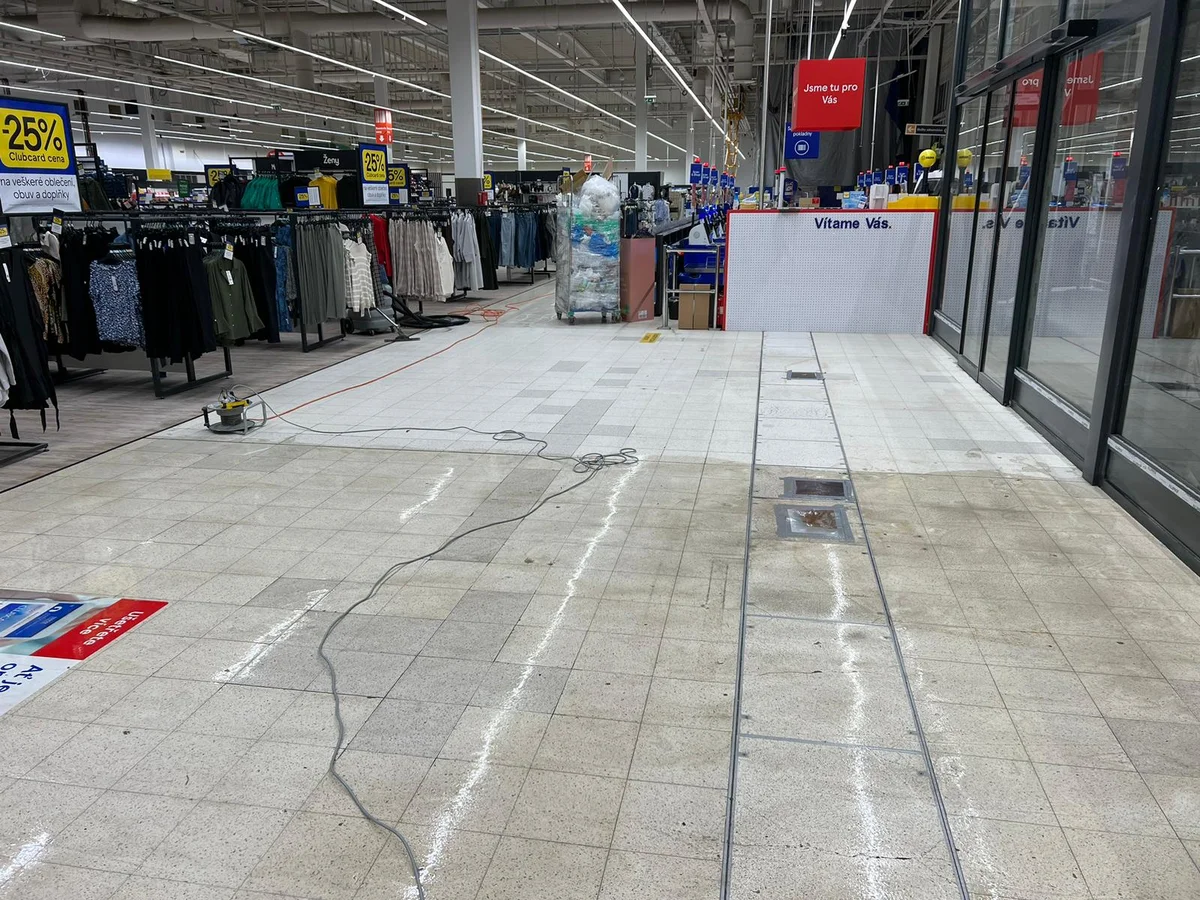
What is terrazzo tile calibration and why does it matter?
Calibrating terrazzo tiles is the process of leveling individual tiles precisely into a single plane, removing small differences in thickness, height and position. The aim is a perfectly level, safe and visually uniform floor that is not only beautiful to look at but also practical in terms of use and maintenance. This step is indispensable wherever appearance, comfort underfoot, barrier-free access or easy cleaning matter.
Uncalibrated tiling can cause problems in everyday use – from minor unevenness through tripping hazards to a poorer impression of the space. Calibration prevents this, unifying both height and appearance and taking the tiling to an entirely new level. The process is also environmentally sound – instead of replacing the tiling it makes the most of its potential and simply fine-tunes it precisely.
Calibration is technically demanding work that calls for expert experience, professional tools and an eye for detail. Our team has dozens of successfully completed jobs behind it in apartment buildings, offices, schools, hospitals and historic buildings. That is why we know how to approach different types of terrazzo and how to achieve a perfect result with no compromises.
When is calibration appropriate?
Terrazzo tile calibration has a wide range of uses, on new and older floors alike. We recommend it above all in the following cases:
- When laying new terrazzo tiling – particularly with handmade tiles, which may not be of entirely uniform thickness.
- On older tiling – where the substrate has settled over time, edges have chipped or wear has been uneven.
- Before applying a polishing layer or a sealer – calibration delivers a level surface to which subsequent treatments adhere better.
- During the renovation of historic buildings – where different sections of floor have to be matched in both height and appearance.
- In busy spaces – offices, corridors, entrances, where levelness is crucial for safe movement.
- In places with barrier-free requirements – public buildings, retirement homes or hospitals, for example.
Calibration also prevents excessive wear of the tiling – unevenness means some tiles wear faster than others. Leveling the surface distributes the load evenly.
How does calibration work?
1. Assessing the condition of the floor
First we check levelness, deviations in height, damage to the tiles, the type of terrazzo and any problems in the substrate. Based on this analysis we set a precise technical plan and an estimate of the work.
2. Coarse grinding of unevenness
We use powerful grinders with diamond tooling that remove differences in height precisely. We take out the so-called steps, sharp edges, chips and other unevenness that spoils the levelness of the floor.
3. Fine leveling and unifying the surface
Coarse grinding is followed by several cycles of fine grinding in which the surface is fine-tuned, the texture unified and the floor prepared for the final treatment. At this stage the floor takes on its new, compact appearance.
4. Repairing damage and joints
Where the tiling has defects – cracks, chips or loose joints – we fill them with a suitable terrazzo mix or sealant. We level the joints flush and prepare them for the final treatment.
5. Final treatment: grinding, polishing, sealing
Once calibration is complete the tiling is ready for the next steps: polishing, which brings out the color and texture, and sealing, which protects the surface against soiling and moisture.
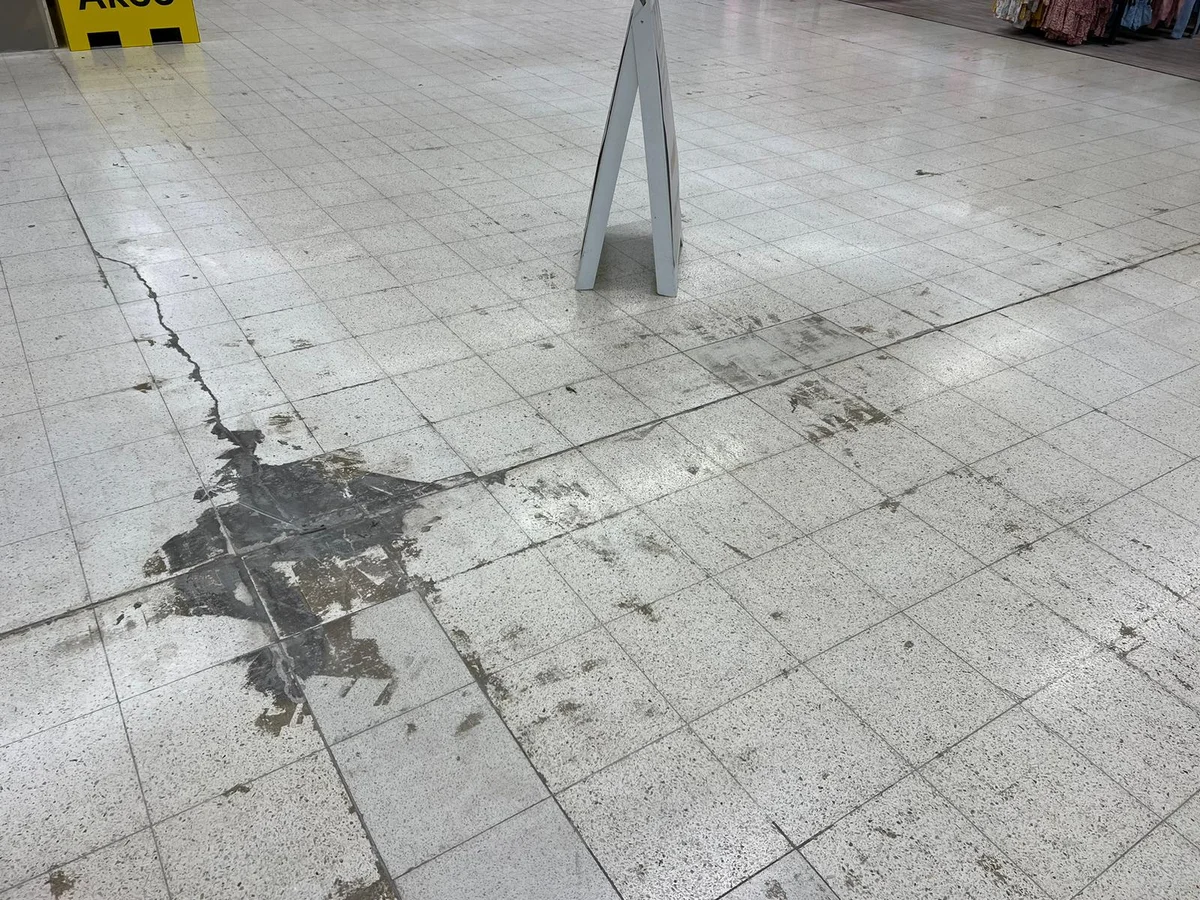
The benefits of professional terrazzo tile calibration
- A level, safe and uniform surface – with no differences in height and no sharp edges
- Greater comfort underfoot – a smoother tread and less risk of injury
- A better look across the whole floor – a unified appearance, with flaws and transitions removed
- Preparation for further restoration – polishing, sealing or waxing all give better results on calibrated tiling
- Greater value and appeal for the property – particularly in commercial or historic buildings
- A long service life – a level surface is less prone to wear and to further defects
- Lower maintenance costs – easier cleaning, with no dirt catching in the joints
- The original tiling can be kept – the ideal solution for a renovation without replacement
Where do we carry out calibration?
- Apartment and prefab buildings – calibration of common areas, corridors, cellars and entrances, where terrazzo is exposed to everyday loads.
- Administrative and commercial buildings – offices, banks, showrooms, where a presentable appearance and comfortable movement for clients matter.
- Public institutions – schools, public offices, libraries and other spaces with heavy footfall. Calibration improves safety and makes maintenance easier.
- Healthcare facilities – hospitals, clinics, retirement homes. With the emphasis on barrier-free access, hygiene and easy movement, including by wheelchair.
- Historic buildings and heritage sites – a gentle approach to old terrazzo, unifying height and appearance, preserving the original character.
- Cultural and social spaces – theaters, galleries, museums, community centers. With the emphasis on appearance and visitor comfort.
- Family homes and residential buildings – calibration indoors and out, often as part of an overall floor restoration.
- Industrial and technical buildings – warehouses and production spaces, where surface precision and durability are essential.
Frequently asked questions (FAQ)
Is calibration suitable for very old terrazzo too?
Yes, in most cases. Old terrazzo tends to be a high-quality material that takes calibration extremely well. Repairs can be carried out with respect for the original character.
Does the tiling have to be polished after calibration?
Polishing is not compulsory, but it is recommended – the floor gains a high gloss, smoothness and a far better appearance. Polishing also closes the pores and reduces absorbency.
Does calibration change the color or look of the floor?
No, calibration does not affect the coloring – on the contrary, it can remove dingy layers and bring out the original texture and color.
How long does the work take?
It depends on the scope – from a single day for small areas up to several days for larger, more complex spaces. We set the schedule individually.
Can calibration be combined with other services?
Yes, calibration is the ideal preliminary step for grinding, polishing, sealing or anti-slip treatment. We offer complete turnkey restorations.
Restore your surface to perfection 🤩
Free initial consultation and a quote within 24 hours 🚀
We handle the restoration, grinding, cleaning and sealing of your floors and terrazzo with an emphasis on quality, detail and long service life.