
Mixes and Aggregates
The foundation of terrazzo's beauty and durability
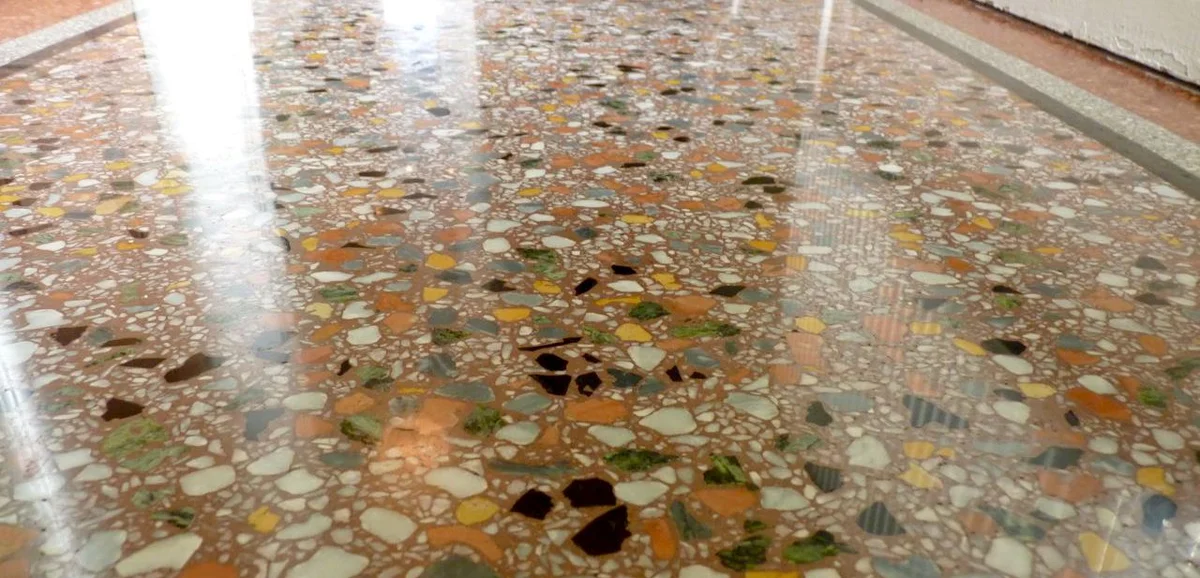
Terrazzo, known by its Italian name terrazzo and in Czech as teraco, is one of those materials that have earned a reputation as an exceptionally durable and at the same time visually striking solution for floors, stairs and other surfaces. Its magic lies in the combination of a binder (cement or epoxy) and a mix of crushed aggregates – ground stone that gives the finished surface its color, texture and character.
The aggregates are the very heart of every terrazzo. Without them it would be just an ordinary mass of material; with them an original, timeless material is born, one that catches the eye at first glance.
The history and tradition of aggregate mixes
The use of crushed aggregates in terrazzo has a long tradition reaching back to the Italian Renaissance. Back then, offcuts of marble and other stone from major building projects were used, mixed with lime and water. The result was a floor that was not only economical but also beautiful. That principle survives to this day – aggregate mixes make it possible to take natural and recycled materials and turn them into a surface that is strong, durable and visually versatile.
What are aggregate mixes?
Aggregate mixes are ground stone of various origins, colors and grain sizes. They can be natural (marble, granite, quartz) or man-made (glass, ceramic). Each type of aggregate has its own specific properties:
- Marble aggregate – the classic, lending the surface an elegant look with a fine grain. It suits luxury interiors, historic buildings and showcase spaces.
- Granite aggregate – extremely durable, suitable for busy spaces where a long service life is required.
- Quartz aggregate – hard, glossy, with a modern character. Often used in minimalist interiors.
- Glass aggregate – colorful and playful, allowing original design combinations. Being recycled, it also has an environmental dimension.
- Ceramic aggregate – an interesting choice for an unconventional look, often used in modern projects.
Grain size and its effect on appearance
The grain size of the aggregate plays a fundamental part in how the finished terrazzo looks.
- Fine aggregates create a smooth, uniform surface with a discreet texture. They suit situations where a minimalist look is the goal.
- Medium aggregates are a compromise – the surface is still elegant but already has a visible grain.
- Coarse aggregates give terrazzo a bold, sculptural look. They are ideal for design projects where the floor is meant to be the dominant feature of the interior.
Design possibilities
One of the greatest strengths of aggregate mixes is their visual versatility. By combining different types and colors, almost unlimited results can be achieved – from discreet monochrome areas to playful, high-contrast patterns. Architects and designers value the scope to create original compositions that become part of the overall concept of a space.
Thanks to aggregates, terrazzo makes possible:
- A minimalist solution – soft tones and a uniform appearance.
- A luxurious finish – marble aggregates combined with a polished surface.
- Modern design – glass aggregates in vivid colors.
- Retro style – coarser aggregates reminiscent of classic twentieth-century floors.
The practical benefits of aggregate mixes
Besides the visual effect, aggregate mixes also bring a range of practical benefits:
- Durability – natural stone ensures high strength and a long service life.
- Easy maintenance – a smooth surface cleans well and is not prone to staining.
- It can be restored – the surface can be ground and renewed again and again, which extends its life.
- An environmental aspect – using recycled materials such as glass contributes to sustainability.
Where aggregate mixes are used
Aggregate mixes are a key element of terrazzo and their range of uses is genuinely wide. Thanks to the combination of high durability, a long service life and visual versatility, they are used wherever function has to be combined with visual impact.
- Entrance halls and corridors - This is where terrazzo faces the heaviest loads – hundreds or even thousands of people walk across it every day. Aggregate mixes give the surface strength and resistance to mechanical wear, while still making it possible to create a presentable look that welcomes visitors right at the entrance. Color combinations and patterns can be adapted to the character of the building – from modern office complexes to historic properties.
- Stairways and landings - On stairways not only appearance but also safety matters. A surface made from aggregate mixes is strong, slip-resistant and easy to maintain. That makes it suitable for public buildings, schools, hospitals and apartment buildings. Its elegant look also underlines the architectural character of a space and feels timeless.
- Offices, galleries, museums - In showcase spaces the emphasis is on visual impact. Aggregate mixes make it possible to create original design compositions that underline the prestige of the setting. In offices they look serious and professional; in galleries and museums they provide a neutral yet visually appealing backdrop that lets the exhibits stand out.
- Apartment buildings (HOAs) - Common areas in apartment buildings call for a material that lasts decades with no need for replacement. Aggregate mixes in terrazzo deliver a long service life and resistance to moisture and mechanical damage. Managers appreciate the minimal maintenance demands, while residents gain a visually pleasant environment that looks clean and well presented.
- Kitchens, bathrooms, terraces - In the home terrazzo is prized for its practicality. A surface made from aggregate mixes resists moisture, cleans easily and is not prone to staining. In the kitchen it looks modern and hygienic, in the bathroom elegant, and on a terrace it copes with outdoor conditions. Thanks to the range of colors and patterns the floor can be matched to the overall style of the interior or exterior.
- Design stores and showrooms - Retail spaces use aggregate mixes as a luxury feature with character. The floor becomes part of the overall design and underlines the exclusivity of the brand. Thanks to its resistance to heavy traffic it lasts even where hundreds of customers pass through every day. The choice of colors and patterns makes it possible to create an original setting that enhances the shopping experience.
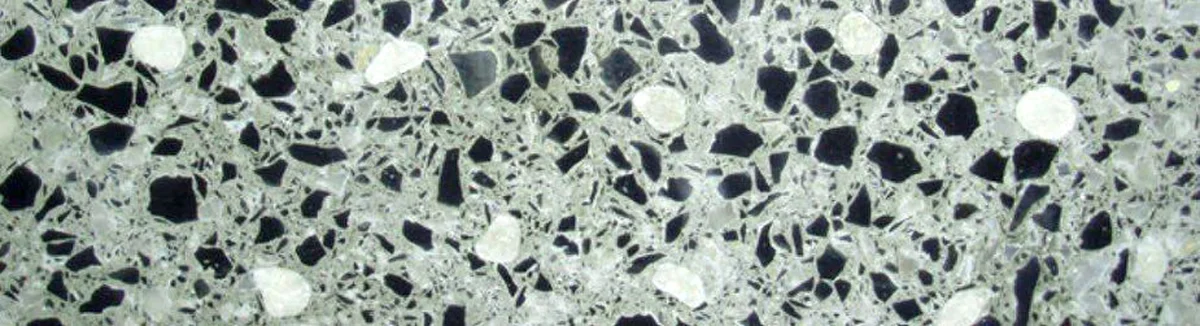
How aggregate mixes are produced
Producing aggregate mixes involves several steps:
1. Selecting the raw material – marble, granite, quartz or glass.
2. Crushing and grading – the material is crushed to the required grain size.
3. Mixing with a binder – the aggregates are combined with cement or epoxy.
4. Pouring or pressing – the mix is applied to the substrate or into molds.
5. Grinding and polishing – the surface is finished to the required appearance.
Every step affects the final quality and appearance.
Why choose quality aggregate mixes
Investing in quality aggregate mixes pays off. They deliver not only a long service life but also a visual quality that lasts for decades. Thanks to them, terrazzo becomes a truly versatile material – at home in historic buildings and modern interiors alike.
Aggregate mixes are the fundamental element that gives terrazzo its unique appearance and properties. They make it possible to combine the durability of natural stone with a visual versatility that has no competition. Thanks to them we get floors, stairs and surfaces that are not only functional but also beautiful. Whether in a luxury interior, a public building or a modern home, aggregate mixes always offer a solution that lasts for generations.
Restore your surface to perfection 🤩
Free initial consultation and a quote within 24 hours 🚀
We handle the restoration, grinding, cleaning and sealing of your floors and terrazzo with an emphasis on quality, detail and long service life.