
Terrazzo Floor Restoration
Restoring the beauty and function of a traditional material
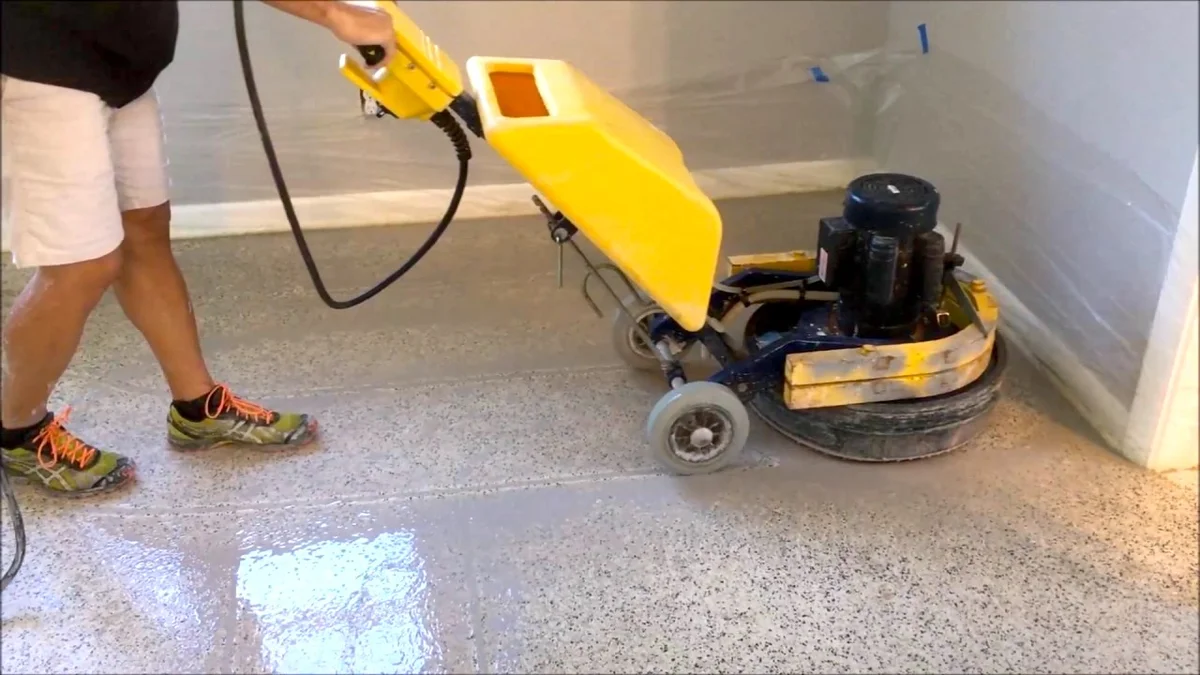
Terrazzo is one of the most durable and most attractive materials there is, and it has been in use for centuries. Thanks to its strength, long service life and timeless look, it is found in family homes, apartment units, commercial buildings and historic properties alike. Terrazzo is exceptionally hard-wearing, but over time it can still show wear – the surface loses its shine and scratches, stains or fine cracks appear. That is where terrazzo floor restoration comes in, restoring both the original beauty and the function of the material.
Restoration is not purely cosmetic. Carried out correctly, it extends the service life of the floor, increases its resistance to moisture and mechanical loads, and makes maintenance easier. Modern technology makes it possible to restore floors that are decades old so that they look representative again and are fully functional.
Why restore terrazzo?
- Appearance – the floor gets its original look back, the colors of the aggregate stand out and the surface looks clean.
- Safety – removing uneven spots and damage makes walking safer.
- Value for money – restoration is cheaper than replacing the floor entirely.
- Sustainability – keeping the original material is the ecological, environmentally friendly choice.
- Historical value – in heritage-listed properties, restoration preserves the original character and cultural value.
What does terrazzo restoration involve?
Terrazzo floor restoration is a comprehensive process made up of several steps. Each one matters, and together they are the path to a perfect result:
1. Assessing the condition of the floor
Evaluating the extent of the damage and identifying cracks, spalling, stains and uneven spots.
2. Cleaning the surface
Removing dirt, grease, old coatings and waxes that would get in the way of the work that follows.
3. Spot repairs
Filling in missing sections with a mix matching the original composition, and filling cracks and joints.
4. Grinding
Gradually removing the top layer of the floor, which takes away scratches, stains and uneven spots.
5. Polishing
Achieving a smooth, attractive surface and bringing out the color of the aggregate.
6. Sealing and protection
Applying protective products that increase resistance to moisture, chemicals and mechanical loads.
Restoration can be carried out across the entire floor or locally, only in damaged areas. In historic buildings the procedure is adapted so that the original character is not compromised.
Where is terrazzo restoration used?
Terrazzo floor restoration has a wide range of applications. It is most often carried out in these types of buildings:
- Public buildings – schools, hospitals and government offices, where terrazzo takes heavy traffic and needs its looks and function restored.
- Commercial spaces – shopping centers, hotels, restaurants, wellness facilities and office buildings. Here restoration delivers a representative look and safe operation.
- Apartment and prefab buildings – entrance halls, stairwells and HOA common areas. Restoration extends the life of the floor and keeps it looking clean.
- Family homes – kitchens, bathrooms, hallways, terraces. Restoring the floor gives the interior either a modern or a classic look.
- Historic buildings – heritage-listed properties, villas, churches. Here restoration is carried out sensitively so that the original character and aesthetic value are preserved.
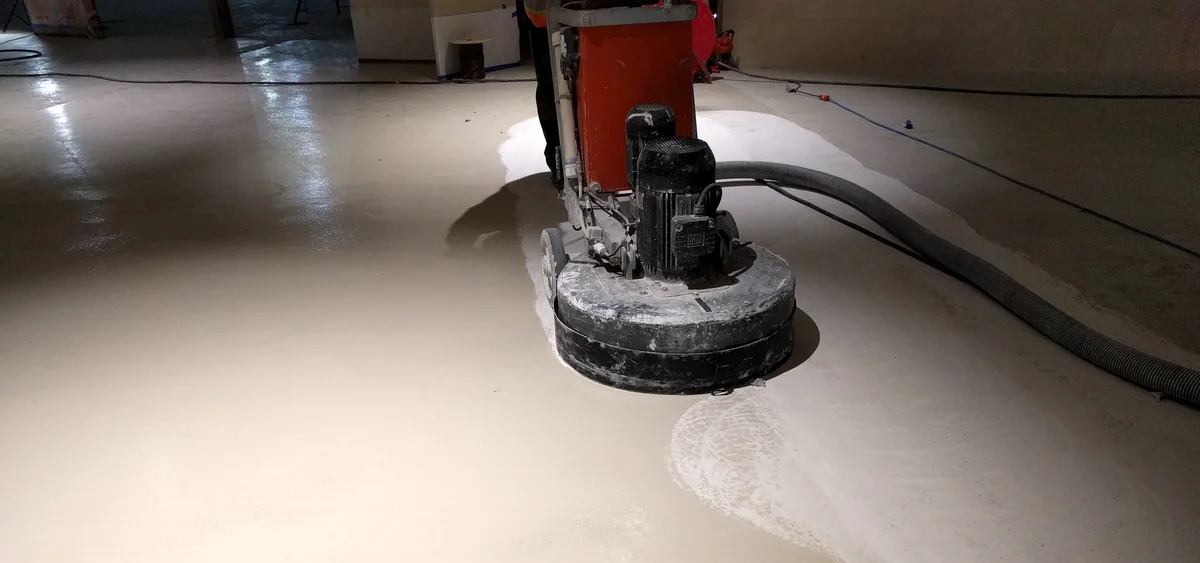
How does restoration work in practice?
New installations:
1. Assessing the condition of the substrate and preparing the mix.
2. Pouring the new terrazzo layer.
3. Grinding and polishing to the desired finish.
4. Sealing and final finishing.
Restoring an existing floor:
1. Cleaning and removing dirt.
2. Spot repairs of damaged areas.
3. Grinding the whole area.
4. Polishing and sealing.
In historic buildings we use special methods that respect the original material and appearance. Restoration therefore does more than bring back function – it also preserves cultural value.
Repairs and maintenance after restoration
Restoration is not a one-time fix. To make the floor last as long as possible, regular maintenance is recommended:
- cleaning with pH-neutral products,
- regular sealing,
- spot repairs of minor damage,
- restoring the shine as needed.
Proper care will keep the floor looking good and performing well for the long term.
The benefits of professional restoration
- Speed and efficiency – specialists can carry out a restoration quickly and to a high standard.
- Professional equipment – modern machines and technology deliver a perfect result.
- An individual approach – the restoration is matched to the specific type of floor and the client's requirements.
- Respect for history – care for the original appearance and material.
Frequently asked questions
How do I know it is time for restoration?
If the floor has lost its shine and stains, cracks or uneven spots are appearing, restoration is the right step.
Is restoration suitable for historic buildings too?
Yes. The procedure is adapted so that the original character and aesthetic value are preserved.
How long does a restoration last?
With proper maintenance the effect lasts many years; in commercial spaces it is best to renew it more often.
Is restoration cheaper than replacing the floor?
Yes. Restoration is the more economical option and it keeps the original material.
Restore your surface to perfection 🤩
Free initial consultation and a quote within 24 hours 🚀
We handle the restoration, grinding, cleaning and sealing of your floors and terrazzo with an emphasis on quality, detail and long service life.